



Right now, I’m sitting by the Mekong River at Dream Garden, watching the sunset paint the sky orange and pink. I feel peaceful, but also a little emotional. Why? Because getting to this moment wasn’t easy. I failed in business—not once, but twice.
Those failures hurt. They cost me money, time, and pride. But they also taught me something valuable: the past is your best teacher, but it’s not a place to live.
If you’re reading this after a business failure, I’d like to share what I’ve learned. These lessons from failure can help protect your future and turn your biggest mistakes into your biggest strengths.
Why Failure Is the Best Teacher
When your business fails, it feels like the end of the world. You might feel embarrassed, angry, or lost. I felt all of those things.
But here’s the truth: smart people aren’t those who never make mistakes. Smart people are those who don’t repeat the same mistakes. Business failure lessons aren’t just about what went wrong—they’re about what to do differently next time.
So, what to do after a business failure? The answer starts with how you look at what happened.
How to Learn from Failure in Life: 5 Steps That Changed Everything for Me
1. Look at the Past as Data, Not Emotion
This is the most important life lesson from failure I can share.
When we think about our mistakes, we usually feel bad. We feel regret, shame, or anger. But those feelings don’t help us learn. They just keep us stuck.
Instead, try this: Remove the emotion and ask yourself these questions:
- Why did my business fail?
- What warning signs did I miss?
- What was my fault, and what was out of my control?
When I asked myself these questions honestly, I discovered something painful but important: I was arrogant. I didn’t pay attention to the details. I only looked at reports and numbers. I didn’t visit my business locations often enough. I trusted what people told me without checking for myself.
That honest analysis hurt, but it saved my future.
2. Find the Patterns in Your Mistakes
Most problems in life don’t happen randomly. They follow patterns. If you can spot these patterns, you can avoid making the same mistakes again.

After my failures, I noticed a pattern: I always trusted data on paper more than reality on the ground.
So I made a new rule for myself: Never rely only on reports. Always see things with my own eyes. Always work alongside my team.
Now, you can see my team and me working together at Dream Garden. We’re planting flower seeds along the wooden walkway, getting our hands dirty under the hot sun. Some team members are bending over planting seeds. Others are loosening the soil.
This isn’t just gardening. This is risk management in business—knowing exactly what’s happening in your business because you’re there to see it.
3. Turn Your Scars Into Armor
Every mistake you make costs you something—money, time, relationships, confidence. Don’t let that payment go to waste. Use it.
Think of it this way: your past pain can become future protection.
For example:
- If you failed because you didn’t understand your market → learn market research and planning.
- If you failed because you ran out of money → learn financial management and budgeting.
- If you failed because you hired the wrong people → learn better hiring and management skills.
By working directly with my team now, I understand everything clearly: how much each project actually costs, what challenges my employees face every day, and what real results we’re getting.
This knowledge is my armor. It protects me from repeating old mistakes.
4. Use the Rearview Mirror to Drive Forward
Life is like driving a car. You need to check your rearview mirror to see what’s behind you and stay safe. But if you stare at it too long, you’ll crash into something ahead of you.
The same is true with failure. You need to learn from failure, but you can’t live in the past. Your eyes must stay on the road ahead—on your future.
What to do after your business fails is simple: glance back to learn, then look forward to move.
5. Build Your Future With Bricks From the Past
You cannot change what has already happened. But your future? That’s completely in your hands.

Every tear you cried, every dollar you lost, every sleepless night—these are not wasted. These are building materials. Use them to build something stronger.
My two business failures taught me:
- To be humble instead of arrogant
- To work hands-on instead of from a distance
- To trust my eyes instead of just trusting reports
- To value my team and understand their challenges
- To plan better and manage risk smarter
These lessons from failure are now the foundation of everything I do.
What to Do After Business Failure: Your Recovery Roadmap
If you are struggling right now, you don’t need a rigid schedule. You need to give yourself grace and time. Here is how I recommend navigating the difficult days ahead:
Phase 1: Give Yourself Permission to Grieve
Before you try to fix anything, let yourself be human. It is okay to feel sad. It is okay to be angry. Talk to someone you trust, or sit by a river as I did. Do not make any big financial decisions during this time. Just breathe.
Phase 2: Become the Detective
When the emotional fog starts to lift, look at the facts. Write down exactly what happened, but do it without blaming yourself. Look for the “why.” Was it the market? Was it the management? Was it arrogance, like it was for me? This is where the learning happens.
Phase 3: Lay the First Brick
You don’t need a master plan to start your comeback. You just need to start. Create new rules based on what you learned and start small.
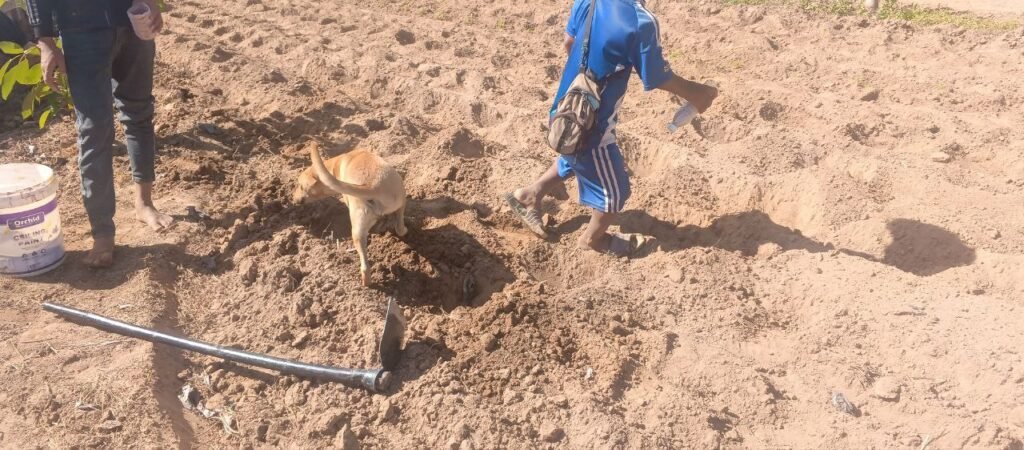
Test your new approach. Work hands-on. Stay close to reality. As you can see from the photos of my team digging and planting, the comeback doesn’t happen in a boardroom—it happens in the dirt, one seed at a time.
Why Failure Can Be Your Greatest Gift
I’m not happy that I failed twice. But I’m grateful for what those failures taught me. They humbled me. They made me wiser. They made me stronger.
Today, sitting by the Mekong River watching the sunset, I know something for certain: failure is only final if you stop learning from it.
If you recently experienced business failure, I understand your pain. But please remember this: you’re not broken. You’re being rebuilt. And the next version of you will be stronger than ever.
The past was your teacher. The future is your opportunity. And the lessons from your failure? Those are the tools that will help you succeed next time.
What lessons has failure taught you? How did you rebuild after your business failed? Share your story in the comments below—your experience might help someone else who’s struggling right now.
