



I failed twice—and learned much more than I expected.
In 2014, I spoke confidently about business growth—using words like “synergy” and “strategy”—from a comfortable office with weekly reports.
And then everything fell apart.
My first business closed in 2015. The second one lasted until 2019 before it died too. Both times, I lost money, lost face, and had to deal with people basically laughing at me behind my back. You know that feeling when you run into someone at the grocery store, and they ask, “How’s the business going?” and you have to pretend everything’s fine? Yeah. That was my life for a while.
But here’s the thing—those failures taught me more than any business book ever could.
In 2023, I started Dream Garden, a landscaping company here in Cambodia. It’s my third attempt at running a business. And for the first time, things are actually working. Not because I suddenly got smarter or richer, but because I finally learned what to stop doing and what to start doing.
So if you’re asking yourself, “What can I do to help my business grow?“—let me share what actually worked for me.
The Stuff I Had to Stop Doing (This Was Hard)
1. I Stopped Hiding in My Office
This is embarrassing to admit, but in my first business, I barely left my office. It had AC, a comfortable chair, and I convinced myself that’s where “real CEOs” belong. I thought managing meant sitting at a desk and looking at spreadsheets.
Wrong.
I had no idea what was really happening. My employees would tell me everything was fine, and I’d believe them because I never actually checked. By the time problems showed up in reports, they’d already been problems for weeks.
Now? I’m outside almost every day. I’m literally planting flowers, moving soil, and sweating through my shirt by 10 AM. My hands have dirt under the nails. Some days I look more like a gardener than a business owner—and that’s exactly the point.
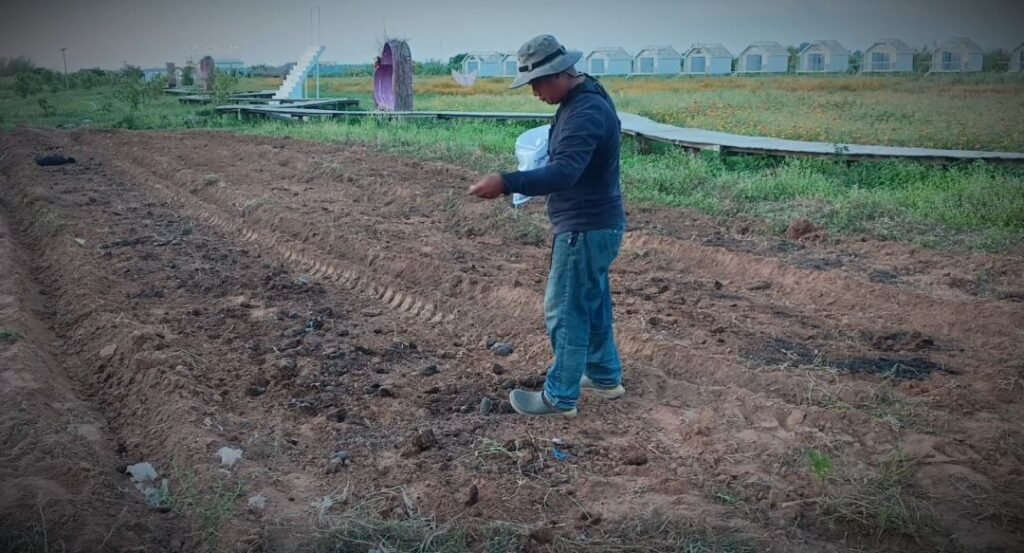
When you’re physically present in your business, you see things. You notice when a customer’s face lights up as they look at a certain plant. You hear your team complaining about a tool that keeps breaking. You can’t learn that stuff from a weekly meeting.
2. I Stopped Trusting Reports More Than My Own Eyes
In my second business, I became obsessed with documentation. Everything had to be written down, tracked, and reported. I thought that’s how to grow a business professionally.
But here’s what happened: I’d get a report on Monday about problems from the previous week. I’d make decisions based on old information. By the time we implemented changes, the situation had already changed again.
It was like trying to drive a car by looking in the rearview mirror.
These days, if I want to know if our plants are healthy, I don’t ask for a report—I walk outside and look at them. If I want to know if customers are happy, I go talk to them while they’re on-site choosing flowers. You get real information in real-time.
Reports still have their place, don’t get me wrong. But they should support what you already know from being there, not replace it.
3. I Stopped Thinking Some Jobs Were “Beneath Me.”
This one almost killed my business. Multiple times.
In my first two attempts, I had this voice in my head constantly saying, “You’re the owner, you shouldn’t be doing grunt work.” So I wouldn’t help carry heavy stuff. I wouldn’t clean. I definitely wouldn’t take out the trash.
My ego was huge. My business results were terrible.
You know what changed? In my third business, I decided that no task is beneath me. If the trash is overflowing, I take it out. If we need to move 50 bags of soil, I’m there moving bags with everyone else. If a toilet’s clogged and the plumber can’t come for two hours, I’ll figure it out.
This did two things: First, my team started respecting me more because they saw I wasn’t afraid of hard work. Second, I understood every part of my business intimately. I know exactly how long it takes to dig a planting hole, how heavy the materials are, and what slows us down.
That knowledge is priceless. You can’t buy it. You have to earn it.
The Business Growth Tips That Actually Worked
Once I stopped doing those three things, I had mental space and energy for better habits. Here are the practical business growth strategies I started using.
1. The Wall Calendar Method (Sounds Simple, Actually Works)
Progress in business is slow. You work all week, and sometimes it feels like nothing happened. That feeling will destroy your motivation faster than anything.
I didn’t even buy a fancy calendar. I drew a grid on a scrap board with a marker. Every single day I complete something important—finish clearing a section of land, install a new garden bed, complete a customer project—I draw a big X on that day.
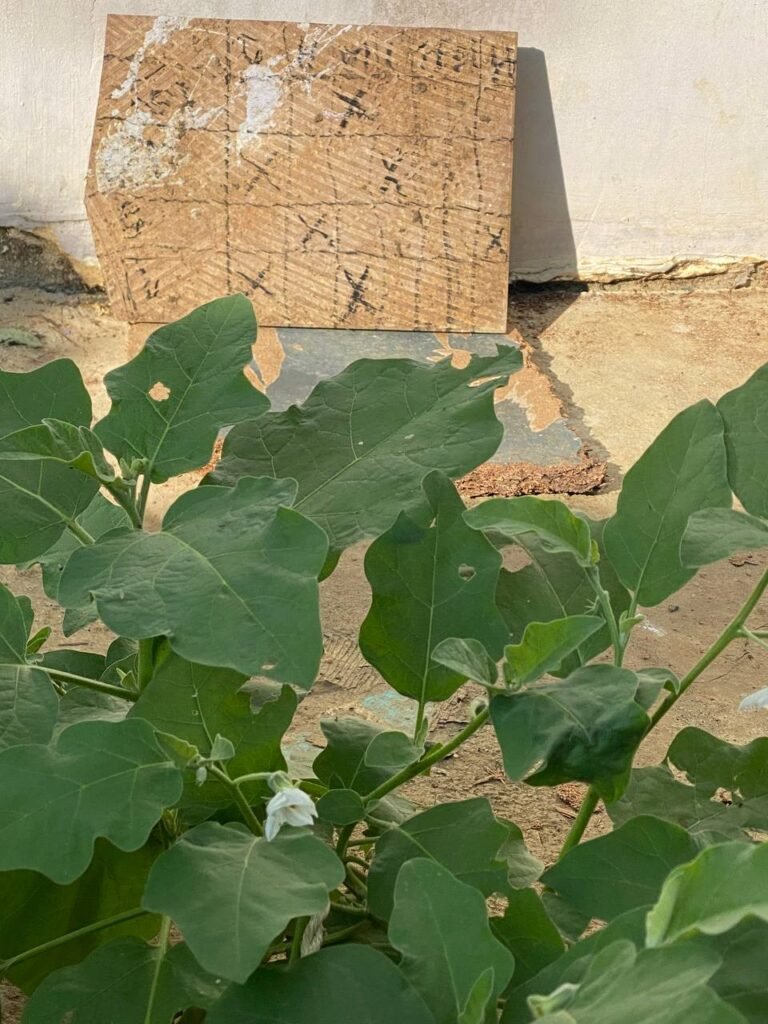
After a week, I have seven X’s in a row. After a month, the whole calendar is covered.
It looks stupid. I know it looks stupid. But it works.
Seeing that visual chain of progress keeps me going on days when I feel like quitting. You start wanting to keep the chain alive. You don’t want to see a blank space. It turns work into a game you actually want to win.
This is one of those habits of successful entrepreneurs that seems too simple to matter—until you try it.
2. I Built Things People Want to Photograph
You can’t just wait for customers to magically find you. You need to create something that pulls them in naturally.
For my garden business, I started building Instagram-worthy spots. Not because I’m trying to be trendy, but because it works. I created a walking bridge lined with flowers on both sides. I also built a pink heart-shaped structure surrounded by a beautiful mix of colorful flowers.

People drive by, stop, take photos, ask, “Who did this?” and suddenly I have customers.
This works for any business. Think about what would make people naturally want to share or talk about what you do. That’s your magnet. Build it deliberately.
3. The 1% Rule (My Secret to Rebuilding After Failure)
After two failed businesses, I had zero confidence. The idea of “growing a business” felt overwhelming.
So I stopped trying to fix everything at once. Instead, I focused on getting 1% better each day. Just 1%.
- Monday: Clear one small corner of land (not the whole property).
- Tuesday: Fix one broken tool.
- Wednesday: Improve one customer interaction.
Individually, these seem meaningless. But over a year, those tiny 1% improvements compound into something massive.
This is how to rebuild a business after failure—you don’t try to sprint. You just put one foot in front of the other, every single day, without stopping.
Some days, my “1% better” was literally just showing up. On my worst days, that’s all I could manage. But I showed up.
What Can I Do to Help My Business Grow? The Real Answer
Here’s what nobody wants to hear: there’s no magic formula.
You don’t need a huge investment. You don’t need a fancy degree. You don’t even need to be particularly talented.
What you need is honesty and consistency.
Look at your business right now and ask yourself:
- What am I doing just because it’s comfortable, not because it works?
- Where am I hiding instead of being present?
- What small thing could I do today to make tomorrow slightly better?
I rebuilt my entire life from two spectacular failures. Not because I’m special—trust me, I’m not. But because I was willing to get my hands dirty, admit when I was wrong, and keep showing up even when it sucked.
That’s really it. That’s the whole secret to business growth.
Final Thoughts
If you’re reading this and you’ve failed before, good. You’re in the right place. Failure teaches you things success never can.
If you’re just starting out, skip my mistakes. Get out of the office. Stop waiting for perfect reports. Do the unglamorous work. Mark your progress visibly. Build something people naturally want to share. Improve 1% every single day.
Will it be easy? No. Will it be fast? Probably not. Will it work? If you stick with it, yes.
I’m living proof that what to stop doing to grow your business is just as important as what to start doing. Maybe more important.
Now stop reading and go do something—anything—that moves your business forward today. Even if it’s just 1%.
Your third attempt might be the one that works.
