



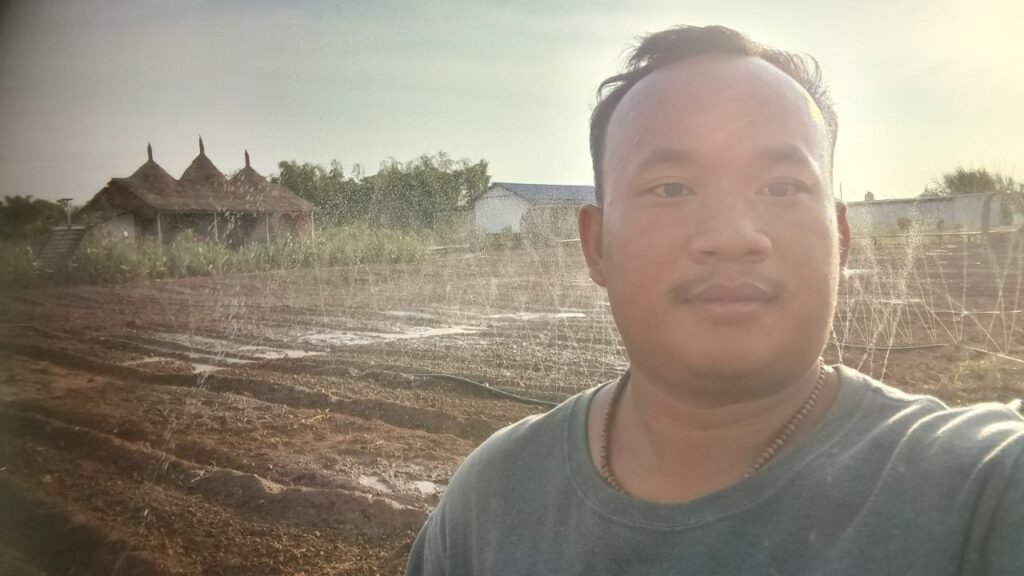
It’s almost midnight. I’m sitting at Dream Garden on Koh Chraeng Island, listening to crickets and trying not to think about mosquitoes. This place? My friend and I tried to make it work. Twice. Failed both times.
But you know what’s funny? Those failures taught me more about finding business ideas than any success ever did.
Maybe you’re in the same boat I was years ago—broke, confused, wondering how the hell people come up with business ideas when they have zero money and zero connections.
Let me share what actually worked for me.
Why Most People Never Find Good Business Ideas
We all want to start something. Be our own boss. Make decent money. Stop answering to someone else.
But here’s the problem: we think we need a brilliant idea first. Some stroke of genius. A million-dollar concept that nobody’s thought of before.
That’s backwards.
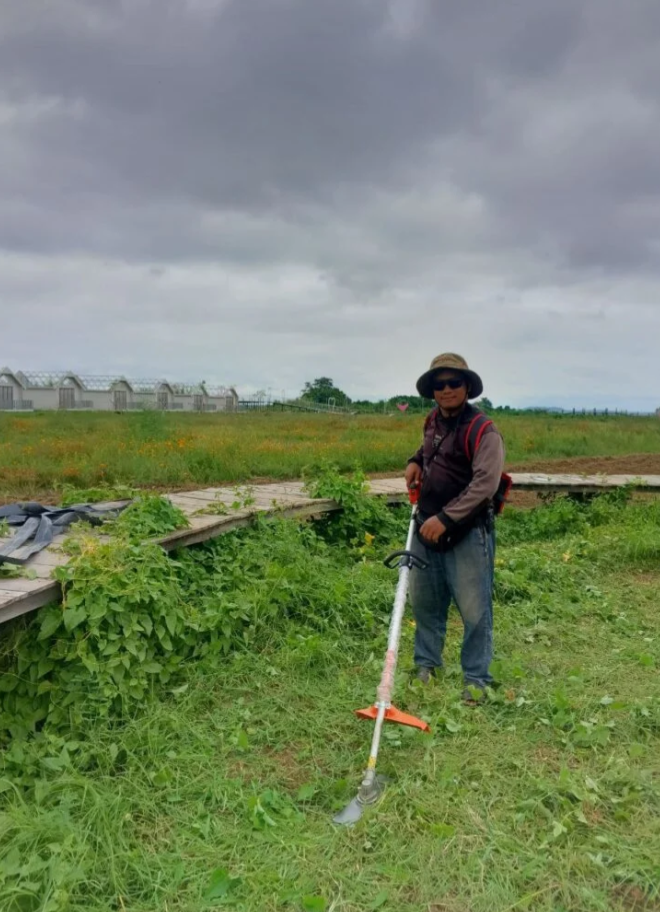
I learned this the hard way. In 2008, I had nothing. No money, no business degree, no “entrepreneurial mindset” or whatever they call it now. I left home and went to Battambang province to work for my uncle as a gardener.
My first year? I pulled weeds. Watered flowers. Swept dirt. That’s literally it.
Sounds depressing, right? But stick with me—this is where everything actually started.
The First Thing You Need (Hint: It’s Not Money)
Build Knowledge Before You Build a Business
People always ask me: “How do I find business ideas with no money?”
Wrong question.
The real question is: “What do I know that people would pay for?”
When I started gardening in 2008, I knew absolutely nothing. But I showed up every day. Got my hands dirty. Asked questions even when I felt stupid.
By 2009, I asked my boss if I could learn more—garden decoration, building those little relaxation huts you see at resorts, making decorative stuff people actually buy.
The work sucked. Hot sun. Sore muscles. Dirt under my fingernails for weeks.
But here’s what I realized: knowledge is the only capital you need when you’re broke.
How Knowledge Helps You Spot Opportunities
Without knowing your field, opportunities walk right past you. You don’t see them. You can’t recognize them. You definitely can’t take advantage of them.
Knowledge helps you:
- Understand what frustrates customers (because you’ve dealt with it yourself)
- Notice gaps that everyone else ignores
- Build something people actually want instead of guessing.
- See opportunities before they become obvious.
That’s how I started identifying business opportunities. Not through some genius moment, but through understanding one thing deeply.
Try this: Pick something you’re already doing—cooking, fixing things, organizing, teaching kids, whatever. Spend three months learning everything about it. Watch YouTube videos. Talk to people who do it professionally. Actually practice.
Don’t think about business yet. Just learn.
The Shortcut Nobody Talks About
Learn From People Who’ve Already Done It
Competition is brutal. If you want to identify business opportunities before everyone else catches on, you need teachers.
But I was a gardener making barely enough to eat. How was I supposed to meet successful entrepreneurs?
Here’s what I did: I learned from my boss.
Every Sunday evening, he’d buy water and snacks for all the workers. Since I’d been there the longest (two years by then), he’d sit down and chat with me. Those conversations changed my entire life.
One thing he said stuck with me forever: “If you really know your stuff, you can turn a rotten piece of wood into money.”
That became my whole philosophy for finding profitable business ideas—see value where others see trash.
What You Actually Learn From Experienced People
It’s not about business plans or fancy strategies. It’s about:
- How do they think when problems hit
- What they look for when choosing opportunities
- The mistakes they made (so you skip them)
- How they handle failure without quitting
You don’t need formal mentorship. Just listen. Pay attention. Ask real questions, not polite ones.
Try this: Find one person doing something close to what you want. Could be your boss. Could be someone in your neighborhood running a small business. Could be someone online.
Watch how they make decisions. Ask them about their biggest screwup. People love talking about their failures more than their wins.
The Thing That Finally Clicked Everything Into Place
Get Outside Your Bubble
In April 2009, during the Khmer New Year, I went to Thailand for the first time. The bus dropped me off in Pattaya City, and I just stood there staring.
Tourist attractions everywhere. Thousands of people. Beautiful designs. Energy. Money changing hands constantly.
Right there, something shifted in my head: “I want to create something like this.”
Later, I visited Singapore. That experience completely rewrote what I thought was possible.
Why Exploring Matters When You’re Broke
“But I don’t have money to travel!”
Neither did I. That Thailand trip? I saved for months. Ate cheap. Skipped everything extra.
But here’s the thing—exploring doesn’t mean expensive trips. It means:
- Visiting a different part of your own city
- Walking through successful businesses and actually paying attention
- Talking to people in industries you’ve never considered
- Asking “why does this work?” instead of just passing by
When you explore (even locally), you:
- See what’s working in other markets.
- Get ideas you can adapt to your situation.
- Understand what people want in different contexts.
- Notice patterns successful businesses follow
Try this: This week, visit three businesses you’ve never been to. Could be a café, a repair shop, or a local service. Don’t buy anything if you can’t afford it. Just observe. How do they attract customers? What makes people come back? What’s frustrating about their service?
Take notes. Seriously, write it down.
How to Actually Find Business Ideas With No Money
Okay, enough stories. Here’s the practical stuff.
Step 1: Inventory Your Skills (Even the “Useless” Ones)
Write down everything you can do. Everything. Even things that seem pointless.
Can you:
- Fix broken things?
- Explain complicated stuff simply?
- Organize chaos?
- Cook specific dishes really well?
- Edit photos or videos?
- Handle customer complaints without losing your temper?
- Build or repair stuff?
These aren’t random skills. They’re potential business ideas.
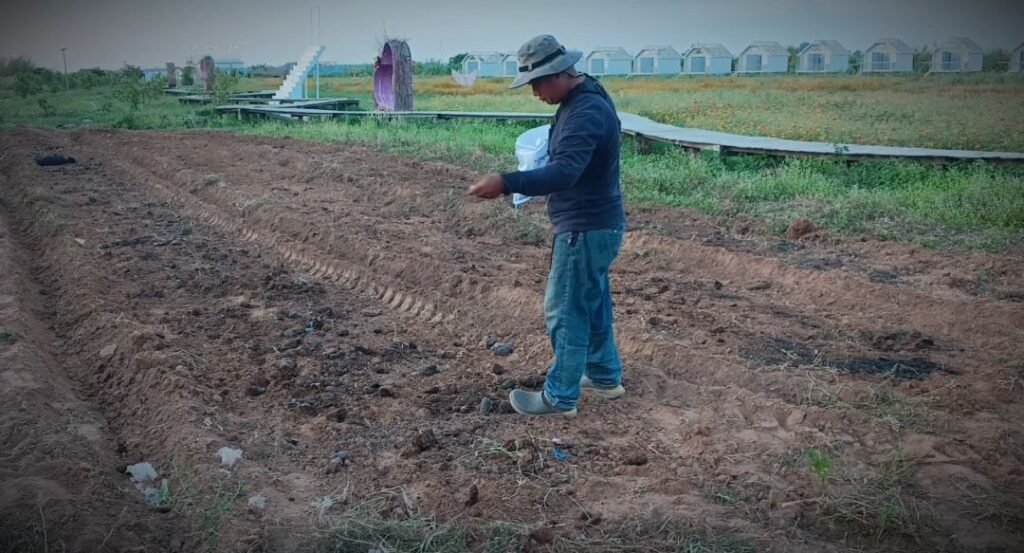
I thought gardening was just manual labor. Turns out, people pay serious money for garden design, maintenance, decoration, and even just advice.
Step 2: Match Your Skills to Real Problems
This is how you turn your skills into a business.
Ask: “Who struggles with something I can solve?”
Examples:
- Good at organizing → Busy professionals who hate clutter
- Can fix electronics → People who’d rather repair than buy new
- Great with kids → Parents desperate for reliable childcare or tutoring
- Know social media → Small businesses with no online presence.
Don’t overthink it. Start with people you already know. What do they complain about? What makes their life harder?
Step 3: Start Before You’re Ready
This is where most people freeze. They want everything perfect. Website. Business cards. Logo. Plan.
Forget all that.
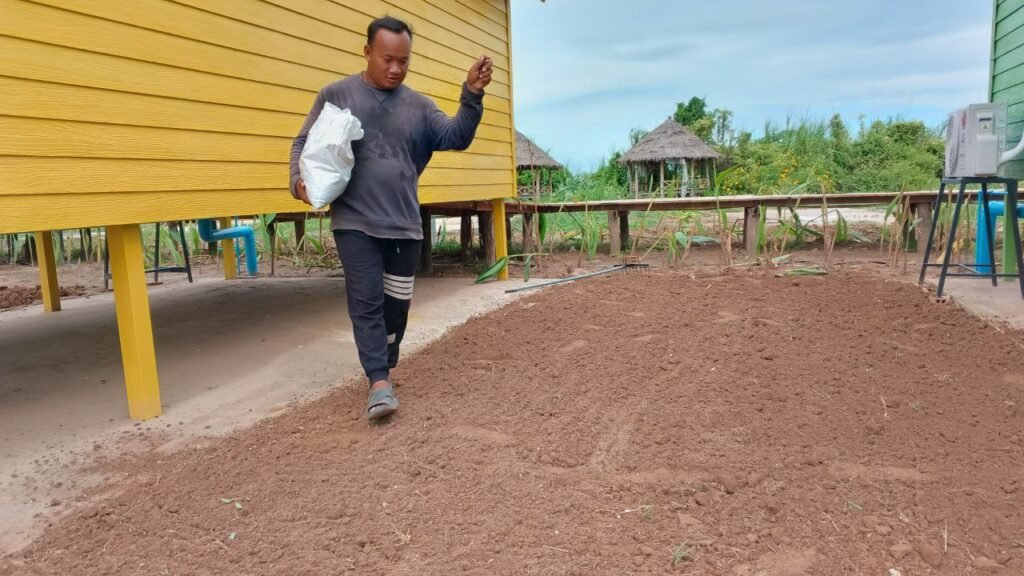
When I started, I told three neighbors: “I can help design your garden. First one’s cheap, so I can practice.”
That’s it. That was my business launch.
You don’t need money to start a service business. You need:
- One skill people want
- One person willing to pay you.
- The guts to say “yes” before you feel ready
Step 4: Learn From Every Single Job
Every customer teaches you something:
- What people actually want (vs. what you think they want)
- How much they’ll pay
- What problems keep showing up
- What you’re good at (and what you hate)
This is how you identify business opportunities that actually work. Not through research. Through doing.
What I Wish Someone Had Told Me Years Ago
Dream Garden failed. Twice. Cost me money I didn’t have. Hurt my pride. Made me question everything.
But those failures taught me how to spot real opportunities. How to test ideas cheaply. How to cut losses fast. How to try again smarter.
If you’re sitting there right now with no money, no connections, no “perfect idea”—you’re exactly where I was.
The difference between people who eventually succeed and people who stay stuck?
They start.
Not when they’re ready. Not when it’s perfect. Not when they have money.
They start with what they have. They learn fast. They adjust. They keep going.
Your first business idea doesn’t need to be brilliant. It just needs to be real enough to teach you what works.
So stop waiting for inspiration. Stop researching forever. Stop planning the perfect launch.
Find one skill you have. Find one person who needs it. Make your first dollar.
Everything else comes from there.
What’s stopping you from starting this week? Seriously—I want to know. Drop a comment and let’s figure it out together.
Real Answers to Questions You’re Probably Asking
How do I find business ideas with no money?
Start with skills you already have. Offer services before selling products (services need zero capital). Look for problems in your immediate area. Talk to real people, not just research online.
How do I know if a business idea is good?
If someone will pay you for it right now—not “someday” or “maybe”—it’s good enough to start. Don’t wait for the perfect idea. Test the okay idea fast.
What’s the fastest way to validate a business idea?
Tell five people about it. Offer it at a low price. See if anyone says yes. That’s validation. Not surveys. Not business plans. Actual money changing hands.
How do beginners find business opportunities?
Watch where people struggle. Listen to complaints. Notice what successful businesses in other places do that nobody’s doing near you. Start small, learn fast, adjust.
How do you turn a skill into income?
Offer it to one person. Do great work. Ask for a testimonial. Tell two more people. Repeat. You don’t need a business plan. You need one happy customer who tells their friends.
